
Laser Cladding Series
Precision laser cladding with dilution below 10%, minimal deformation and surface roughness Ra 0.8–1.6.
Series overview
Laser Cladding Series
The Laser Cladding series is MWMS's precision product line that uses high-energy laser beams to melt alloy powders and deposit them onto substrate surfaces. Laser cladding precisely controls heat input, delivering minimal thermal energy between the substrate and hardfacing layer to effectively manage distortion and dilution, with dilution rates typically below 10%. Due to this low dilution rate, alloy element loss is minimized and substrate hardening is controlled, keeping the heat-affected zone to a minimum. This results in a fine-grained microstructure that enhances wear and corrosion resistance of the deposited layer. Surface roughness can achieve Ra 0.8-1.6, ensuring high machining accuracy.
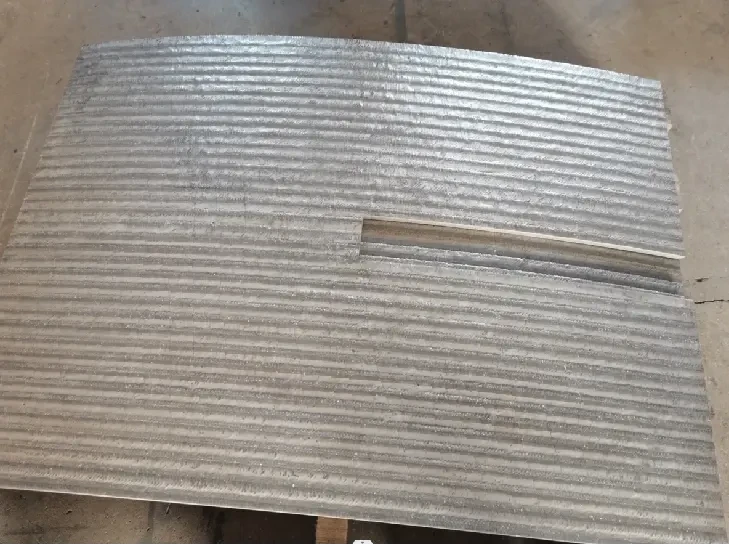
Product scope
Specific products in this series, with the supplied technical specifications and descriptions.
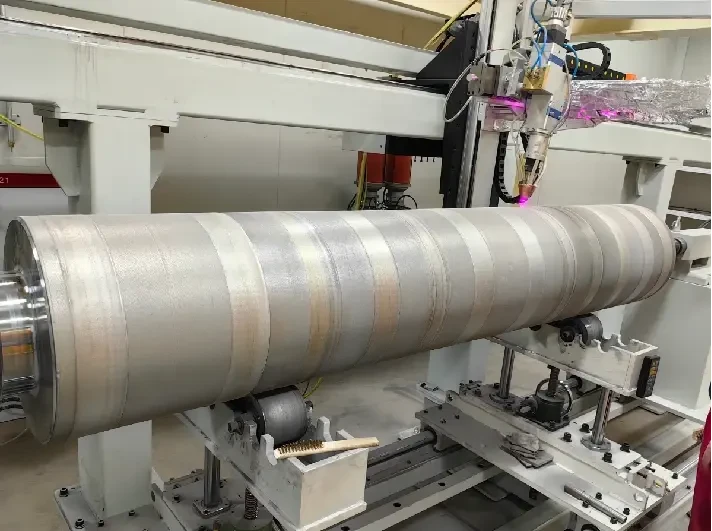
Laser Cladding for Precision Shafts and Rollers
- Dilution rate: <10% | Surface roughness Ra 0.4–0.8
Uses a high-energy laser beam to melt alloy powder and deposit it onto the surface of precision shafts and rollers, creating a low-porosity, uniform, and dense clad layer. Precisely controls heat input to minimize thermal transfer between the substrate and hardfacing layer, effectively managing deformation and dilution. Ideal for wear and corrosion repair and strengthening of various precision shafts, drive shafts, printing rolls, and more.
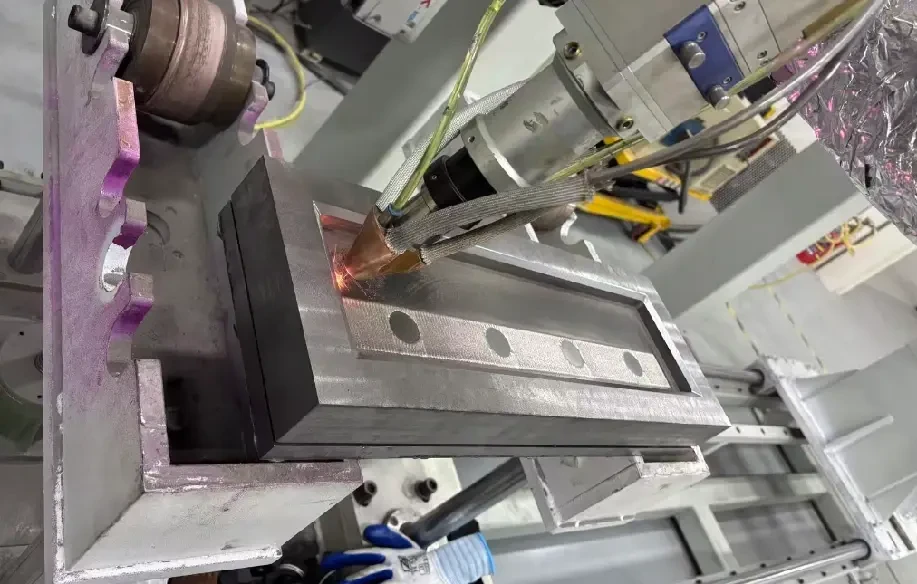
Tablet Laser Cladding
- Chrome alternative | Superior wear and corrosion resistance
The laser cladding layer is pore-free and metallurgically bonded, offering superior wear and corrosion resistance compared to chrome plating while being environmentally friendly and pollution-free.
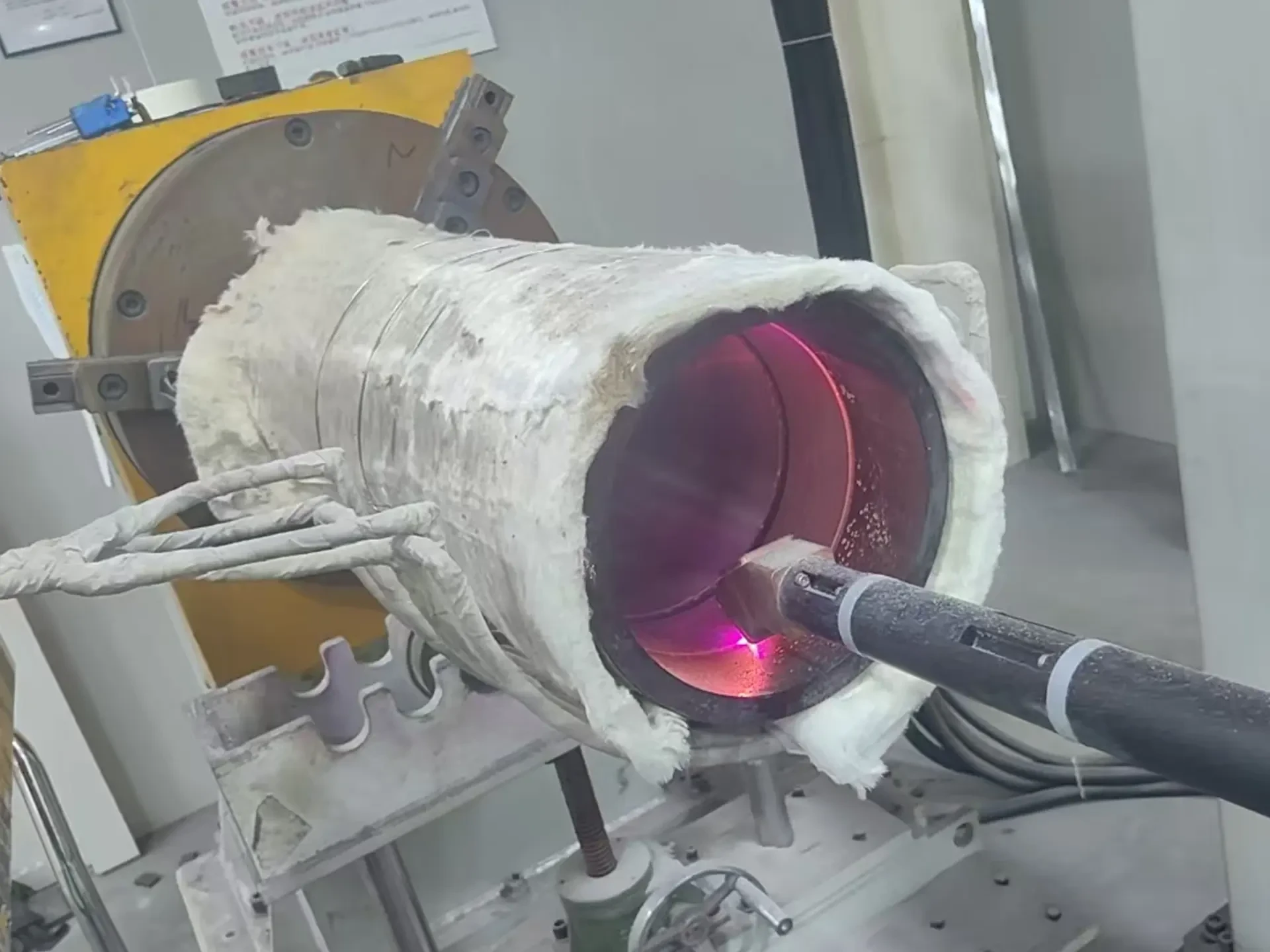
Laser Cladding of Inner Pipe Walls
- Minimal Heat-Affected Zone | Precise Deformation Control
Select a suitable wear-resistant material for laser cladding of the inner tube wall. Minimum tube diameter: 8 mm; maximum tube length: 2400mm.
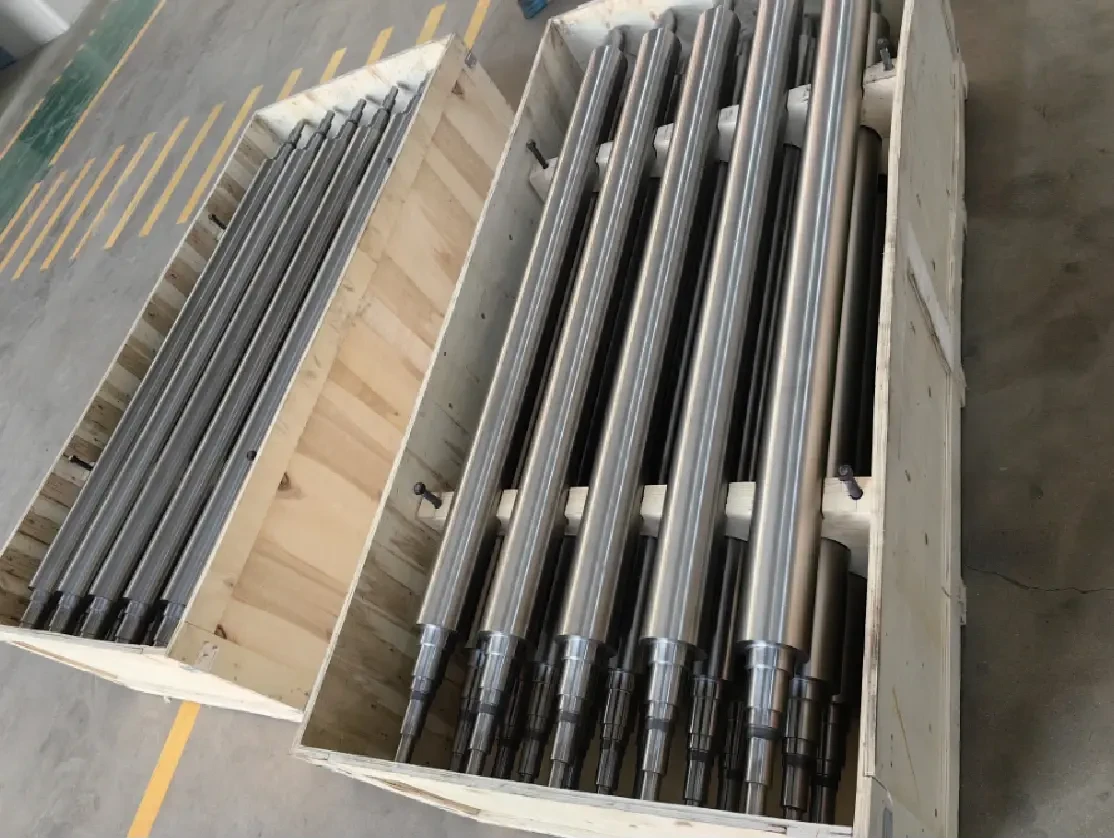
Laser Cladding for Slender Rollers
- Low Heat Input | Minimal Deformation
To address the susceptibility of slender rollers to deformation, we employ low heat-input laser cladding for surface wear-resistant treatment. The minimal thermal input effectively controls roller deformation, ensuring machining precision. Ideal for wear repair and reinforcement of slender rollers, including conveyor rollers.
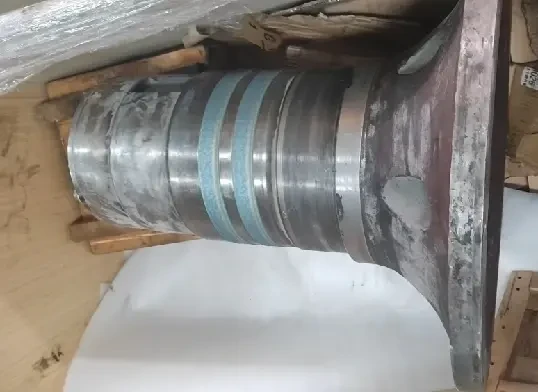
Laser Cladding Repair
- Custom Solutions | Precision Molding
Based on customer operating conditions, perform laser cladding repair on various pipe sections and custom components. Laser cladding precisely controls clad layer thickness and shape, reducing post-processing requirements. Ideal for localized wear resistance enhancement and repair of special-shaped components, offering customized laser cladding solutions.
Core advantages
Why Choose This Series
- 1Low dilution rate (≤10%), minimal alloy element loss.
- 2Low heat input, minimal workpiece deformation.
- 3High machining precision with surface roughness Ra 0.8–1.6.
- 4Minimal heat-affected zone; base material properties remain unaffected.
- 5Fine-grained structure with excellent wear and corrosion resistance.
- 6Pore-free metallurgical bond layer with high bonding strength.
- 7Precisely control cladding layer thickness and shape.
- 8Eco-friendly process with no wastewater or exhaust gas emissions.
Use cases
Precision wear repair and strengthening for shaft components, chrome-plating replacement for hydraulic piston rods, wear repair and surface hardening for various molds, wear-resistant treatment for long, slender roller parts (paper machine rolls, printing rolls, conveyor rollers), localized wear-strengthening for plates, tubes, and custom-shaped components, and precision wear-resistant protection for critical equipment parts.
Enquire about the Laser Cladding Series.
Send the component, the wear condition and the operating temperature, and we will confirm the suitable series and material.