
Plasma Cladding Series
Plasma Transferred Arc cladding with a dense metallurgical bond, dilution of 7–8% and coating hardness to HRC 68.
Series overview
Plasma Cladding Series
The Plasma Cladding series from MWMS utilizes the Plasma Transferred Arc (PTA) process to fuse metal powder onto the substrate, forming a dense metallurgical bond. A constricted, high-energy plasma arc melts the powder feedstock into the molten pool, ensuring uniform deposition of tungsten carbide particles. This results in superior bonding strength and wear resistance compared to mechanical bonding. Dilution rates range from 7% to 8%, with a deposition efficiency of approximately 90%. Coating hardness reaches HRC 68. The product line includes three models: MWMS-WC40P (40% tungsten carbide), MWMS-WC70P (70% tungsten carbide), and MWMS-3401 (ultra-wear-resistant molybdenum-vanadium alloy).
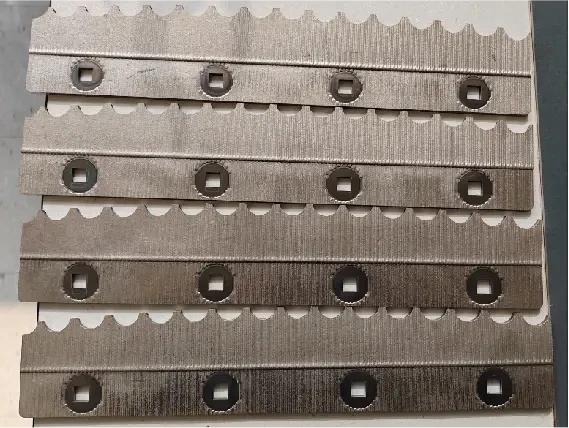
Product scope
Specific products in this series, with the supplied technical specifications and descriptions.
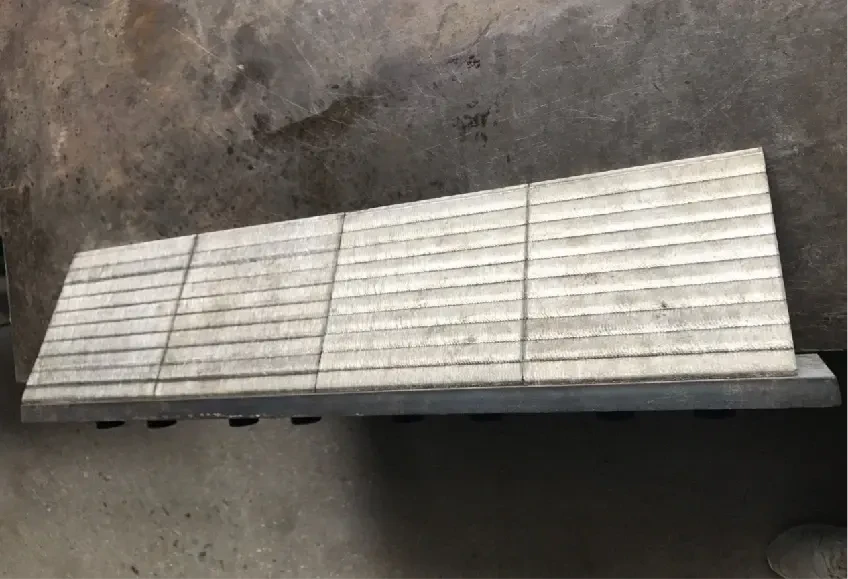
MWMS-WC40P Plasma Cladding Layer
- 40% WC | W: 38–42% | Ni: 50–53% | Cr: 0.5–1.0%
Plasma cladding material with 40% tungsten carbide content, featuring uniformly distributed WC particles within a nickel matrix. Bulk density: 6.0–8.0 g/cm³; sphericity ≥90%. Ideal for wear protection in chutes, pipes, rollers, valves, and similar applications, offering excellent combined wear and impact resistance.
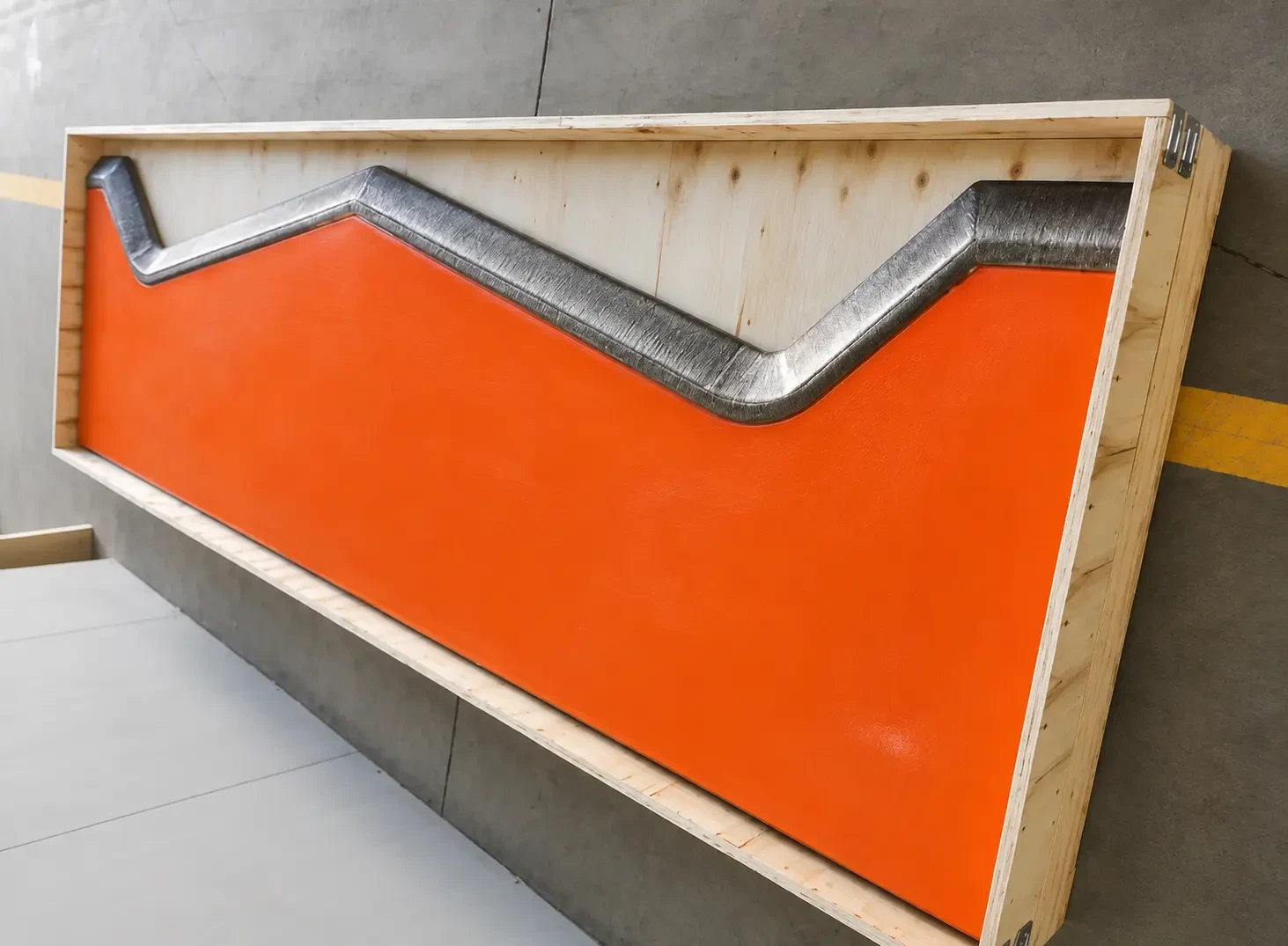
MWMS-WC70P Plasma Cladding Layer
- 70% WC | Hardness ≥ 58 HRC
Plasma cladding material with 70% tungsten carbide content, featuring approximately 60% volume fraction and 70% weight fraction of WC, uniformly deposited. Microhardness: WC 2000–2600 HV 0.2; Nickel matrix 620–700 HV 0.2. Ideal for extreme wear applications including chutes, industrial fans, mixers, mining/cement equipment, agricultural tooling, and bucket teeth.
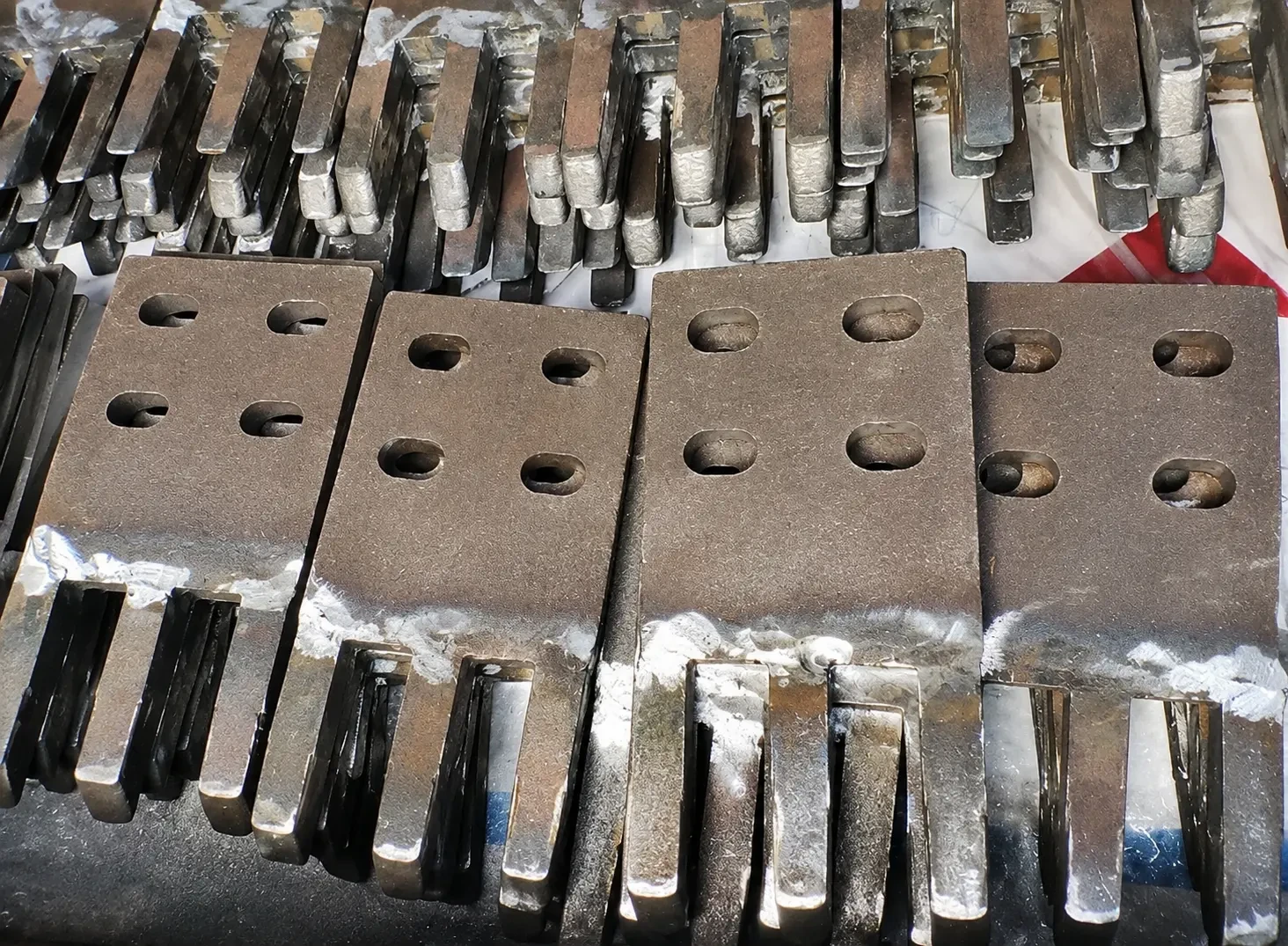
MWMS-3401 Ultra-Wear-Resistant Molybdenum-Vanadium Alloy Cladding
- HRC: 63–68 | Hard Borides/Carbides ≥30%
Ultra-wear-resistant molybdenum-vanadium alloy with HRC63–68 hardness and ≥30% hard boride/carbide content. Weight loss from abrasion is only 0.022g (compared to 40%WC/Ni's 0.064g), offering superior lifespan and cost-effectiveness over nickel-based tungsten carbide and iron-chromium alloys. Ideal for vibrating screens, grader blades, chutes/liners, wear-resistant tools/blades, mill liners, slurry pipelines, and bucket teeth.
Core advantages
Why Choose This Series
- 1Low dilution rate (approximately 7–8%), minimal alloy element loss.
- 2High deposition efficiency (approximately 90%) with excellent material utilization.
- 3Metallurgical bonding offers superior bond strength compared to mechanical bonding.
- 4Uniformly deposited tungsten carbide particles for superior wear resistance.
- 5Coating hardness covers HRC 58–68 to meet diverse operating conditions.
- 6Supports multi-pass welding; layer thickness adjustable from 1 to 4 mm.
- 7Carbides remain intact, fully leveraging the wear resistance of the hard phase.
- 8MWMS-3401 offers a superior lifespan-to-cost ratio compared to WC/Ni materials.
Use cases
Industrial fan blade wear protection, key components for coal chemical equipment, valve sealing surface cladding, chute/liner wear treatment, pipe/roller surface cladding, wear-resistant parts for mixing machinery, critical components for mining/cement equipment, agricultural tool wear hardening, cutting teeth and buckets (GET), vibrating screens, motor grader blades, grinding mill liners, and high-wear slurry pipelines.
Enquire about the Plasma Cladding Series.
Send the component, the wear condition and the operating temperature, and we will confirm the suitable series and material.